本音尺八 Hon-on Shakuhachi
Edo-Style Shakuhachi for old-style honkyoku
News
Edo era shakuhachi remains my mainstay for daily playing and prayer, but over the past decade or so I've spent thousands of hours reconstructing the medieval tones of the older shakuhachi, now called the hitoyogiri. It has a classical repertoire that was enjoyed by monks, artists, and samurai, having an aim, like old style shakuhachi, towards being fully present to your sound. These are not performance pieces, but tools to (enjoyably) train your mind and heart to listen deeply, living in harmony with the seasonal changes of life. While similar to shakuhachi, theese short solo pieces have a distinct flavor that is influenced by other medieval Japanese musics such as Gagaku, Shomyo (Buddhist chant), and Noh. Visit the lessons page to sign up and join us.
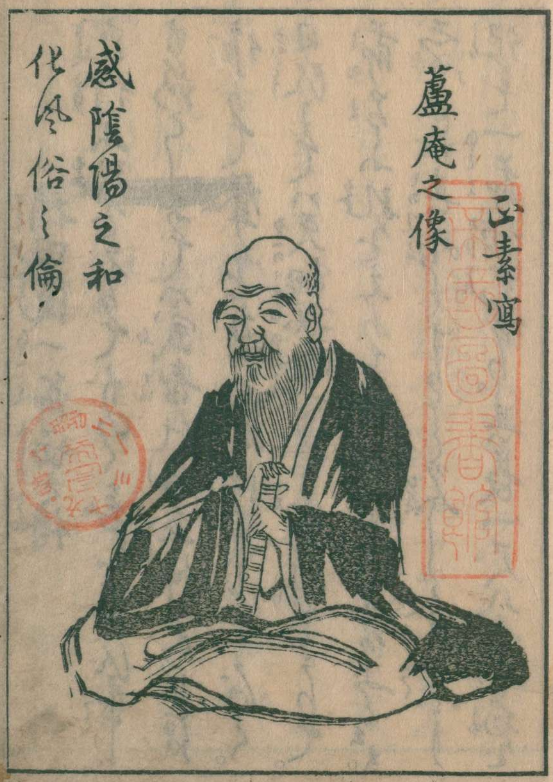
Lessons with Dr. Yamada
Dr. Yamada, my primary teacher for Kinpu-ryu shakuhachi as well as Chinese Philosophy, has retired from his long tenure at Hirosaki University. He holds a Tozan-ryu shihan, and has been a Designated Prefecutral Cultural Treasure Holder for Kinpu-ryu since 2006. Appropriately, his playing style is slightly different from mine, being slightly more attuned to a modern sense of musicality, but we share the same philosophy.
Retirement frees up his time, so he has decided to begin accepting online students. He's been instrumental in helping me grow as a person and as a player, and I'm sure he'll do the same for you. He is only able to take on a few students, however, so please contact me if you're interested.
您好 我是山田史生,现住在青森县弘前市。曾就职于弘前大学,任汉文学教师37年,现已退休。我的专业是中国哲学。出于兴趣爱好,我学习了弘前地区传承至今的锦风流尺八乐器,并获得了青森县的县级传统艺术技能传承者的认证。利用退休后的闲暇时间进行锦风流尺八的在线授课,希望能与中国的同好之士进行交流。很遗憾尚未达到使用中文沟通畅通无阻的程度,我将用初级水平的中文讲课。可通过Nick先生的主页自行下载乐谱,或由我将打印好的乐谱一并邮寄给您。演奏使用1尺8寸管。每次1小时,课时费5000日元。如有意愿请联系Nick先生。
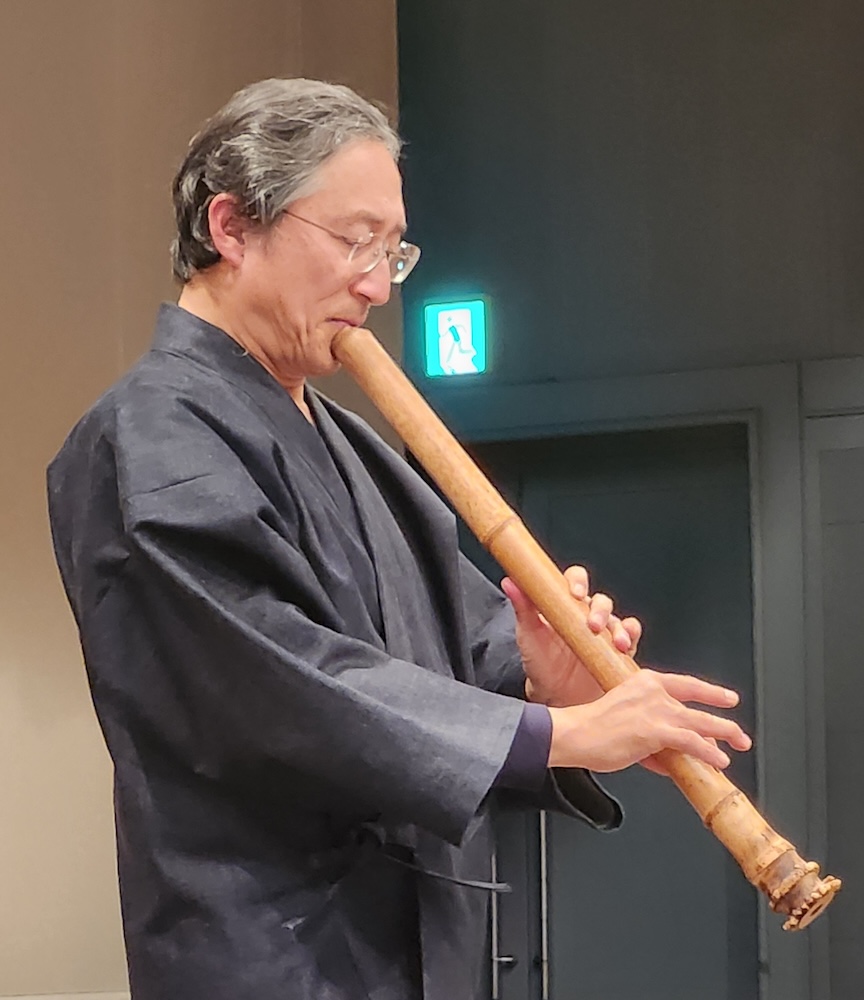

Hon-on(本音)means "True Sound." The same characters can also be read in Japanese as "hon-ne," which carries two meanings - "true sound," and "true feelings."
I make shakuhachi in an old, Edo era style, for people who, like some of the Komuso of old, are looking to express their own true sound. Hon-on flutes are Edo-style ji-nashi, which means that they make maximum use of each individual piece of bamboo's natural, mysterious tone color. Each flute receives several months (or years) of attention, during which it is carefully played, tuned and balanced to a premodern Japanese aesthetic ideal for old-style honkyoku playing.
In addition to Edo-style shakuhachi, I make hitoyogiri shakuhachi, the ancestor of the Edo-era shakuhachi. I also do repairs, maki-e shakuhachi ornamentation in silver and gold, and sell used and vintage shakuhachi, both ji-ari and ji-nashi. Feel free to use the contact form if you have any quesitons.